Best of 1972 Birthday Gifts: A Stitch Review
First Impressions: Retro Typography Meets Embroidery Logic
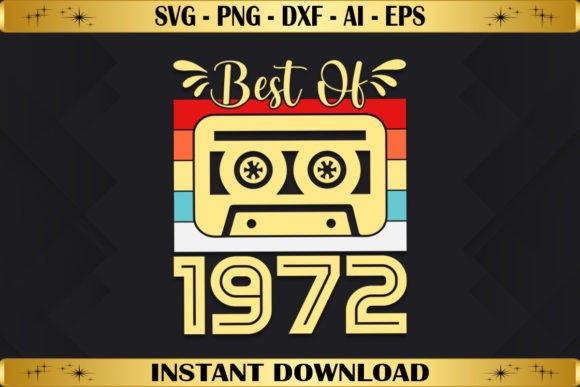
When evaluating Best of 1972 Birthday Gifts Vintage for actual production, my first focus is always on how the graphic translates from screen to fabric. As a designer who has digitized countless vintage aesthetics, I look for clean lines and legible typography that won't turn into a thread nest on the machine. This design captures a specific nostalgic mood perfectly. The retro font style and layout suggest a bold, confident aesthetic that appeals strongly to customers celebrating their 50s or those with an affinity for 70s nostalgia. However, as a machine embroidery design, its success depends entirely on execution.
The visual personality here is distinctly celebratory yet grounded. It avoids the overly frilly or distressed look that often plagues vintage graphics when stitched out. Instead, it offers solid shapes that are ideal for conversion into satin stitch columns or fill stitch areas. For a T-Shirt Designs category item, this balance is crucial. You want the wearer to feel special without wearing a stiff, bulletproof patch on their chest. The layout feels centered and intentional, making it a strong candidate for left-chest placement on sweatshirts or full-center designs on tote bags.
Real-World Application: The Custom Sweatshirt Test
To truly judge this asset, I mentally placed it in a current best-seller scenario: a heavyweight cotton fleece sweatshirt for a 1972 birthday milestone. In this context, the Best of 1972 Birthday Gifts Vintage file needs to perform against fabric texture. Fleece is forgiving but can swallow fine details. Because this design utilizes bold lettering typical of the era, it holds up exceptionally well on napped fabrics where thinner scripts would disappear.
I envision using this for a personalized gift order where the client wants a "Class of '72" reunion vibe or a specific birthday celebration. The versatility of receiving multiple formats—including SVG, DXF, AI, EPS, and PNG—means I can easily manipulate the artwork in my digitizing software before stitching. If I am creating a sweatshirt embroidery piece, I might slightly increase the spacing between letters during the digitizing phase to account for the loft of the fleece. This proactive adjustment ensures the final handmade product looks professional rather than homemade.
For Etsy sellers and small shop owners, this design also serves as excellent digital inventory. The included PNG allows for immediate creation of a printable mockup to test market interest before you even thread a needle. You can list the concept, gauge engagement, and then move to physical production with confidence. This workflow is essential for modern craft business sustainability.
Fabric Compatibility and Stabilizer Strategy
While the design is versatile, not all substrates are created equal. When working with Best of 1972 Birthday Gifts Vintage, you must consider the interplay between stitch density and fabric weight.
- Cotton and Canvas: These are the gold standards for this design. Whether for a tote bag design or a structured apron, the stability of woven cotton supports the likely column stitches in the vintage lettering. Use a medium-weight cutaway stabilizer for apparel to prevent puckering around the dense text.
- Stretchy Knits and Jersey: Proceed with caution. Vintage fonts often have height and width that can distort on stretchy fabric. If using this for baby clothes or lightweight tees, you must use a fusible no-show mesh stabilizer and potentially a temporary spray adhesive to lock the fabric grain in place before hooping.
- Textured Linens and Tea Towels: For holiday embroidery or kitchen gifts, the texture adds charm but risks clarity. Consider using a water-soluble topping to keep the stitches sitting on top of the weave rather than sinking into it. This preserves the crisp edges of the 1972 numerals.
- Caps and Curved Surfaces: This design requires careful evaluation for headwear. Depending on the vertical height of the artwork, it may be too tall for a standard cap frame. Always measure the design dimensions against your specific hoop size before committing to a cap project.
Digitizing Considerations for Commercial Quality
As a reviewer, I cannot stress enough that a vector graphic is not a stitch file. The Best of 1972 Birthday Gifts Vintage package provides print-ready files, which are fantastic starting points, but they require intelligent digitizing for embroidery. Do not rely solely on auto-digitizing features. The nuances of 70s typography often include curves and serifs that need manual node editing to stitch smoothly.
Pay close attention to the stitch density. Vintage styles can sometimes be visually heavy. If you simply convert the black shapes to fill stitches at default settings, the result may be too dense for comfortable wear. I recommend adjusting the density based on your thread weight and fabric choice. For a custom apparel piece intended for all-day wear, reducing density by 10-15% can improve drape and comfort significantly without sacrificing coverage.
Thread color selection is another critical factor. While the digital file may show standard colors, real-world thread colors should be matched to the garment's undertone. A cream-colored vintage text on a navy sweatshirt reads differently than bright white on navy. Test your palette on scrap fabric first. This step prevents wasted materials and ensures the finished product matches the customer's expectation of "vintage" warmth versus stark contrast.
Navigating Small Details and Limitations
Every design has limits. With Best of 1972 Birthday Gifts Vintage, be mindful of any decorative accents surrounding the main text. If the design includes small stars, lines, or distress marks common in retro graphics, these may need to be simplified or removed for embroidery. Tiny running stitch details under 2mm often get lost or cause needle breaks.
Furthermore, consider the washing durability. If this is destined for a baby item or frequently washed kitchen towel, avoid long satin stitches wider than 7mm. They are prone to snagging. Break up wide columns with split satin stitches or textured fills to enhance durability. This attention to technical detail is what separates a professional embroidered patch or garment from a hobbyist attempt.
Also, verify licensing before scaling up. While the file format supports commercial creation, ensure your usage aligns with the designer’s terms regarding selling finished goods versus reselling the digital assets themselves. Respecting intellectual property builds trust within the maker community and protects your business reputation.
Final Verdict for Makers and Sellers
Best of 1972 Birthday Gifts Vintage is a robust foundation for niche apparel and gift projects. Its strength lies in its clear, era-appropriate typography that communicates value and sentiment instantly. For the Etsy seller or boutique owner, it targets a high-intent demographic looking for meaningful, date-specific merchandise.
However, treat the provided SVG, PNG, DXF, AI, and EPS files as premium raw ingredients rather than instant meals. Your expertise in selecting the right stabilizer, adjusting hoop size, and refining stitch paths will determine the final quality. When executed with care, this design transforms from a digital graphic into a cherished keepsake that celebrates five decades of life with style and craftsmanship. Always run a sew-out test on similar fabric before starting a paid commission; it is the single most important habit for maintaining quality control in commercial embroidery.